Constraint-Based Supply Planning Software

Production plans are built on assumptions. The plan was right. The floor had other ideas.

Oritiq's supply planning software embeds machine availability and raw material visibility directly into the planning model - so the plan you publish is one the operation can hold, without rewriting it on the floor.

Talk to Sales Team
Production plans are built on assumptions. The plan was right. The floor had other ideas.
Why the production plan breaks on the floor

What Looked Executable in the Planning System Becomes a Firefighting Exercise by Wednesday.

Most production planning software assumes an ideal factory. Machines are available. Materials arrive on time. Capacity is intact and uncontested. The plan is generated against that assumption – clean, balanced, and executable on paper.

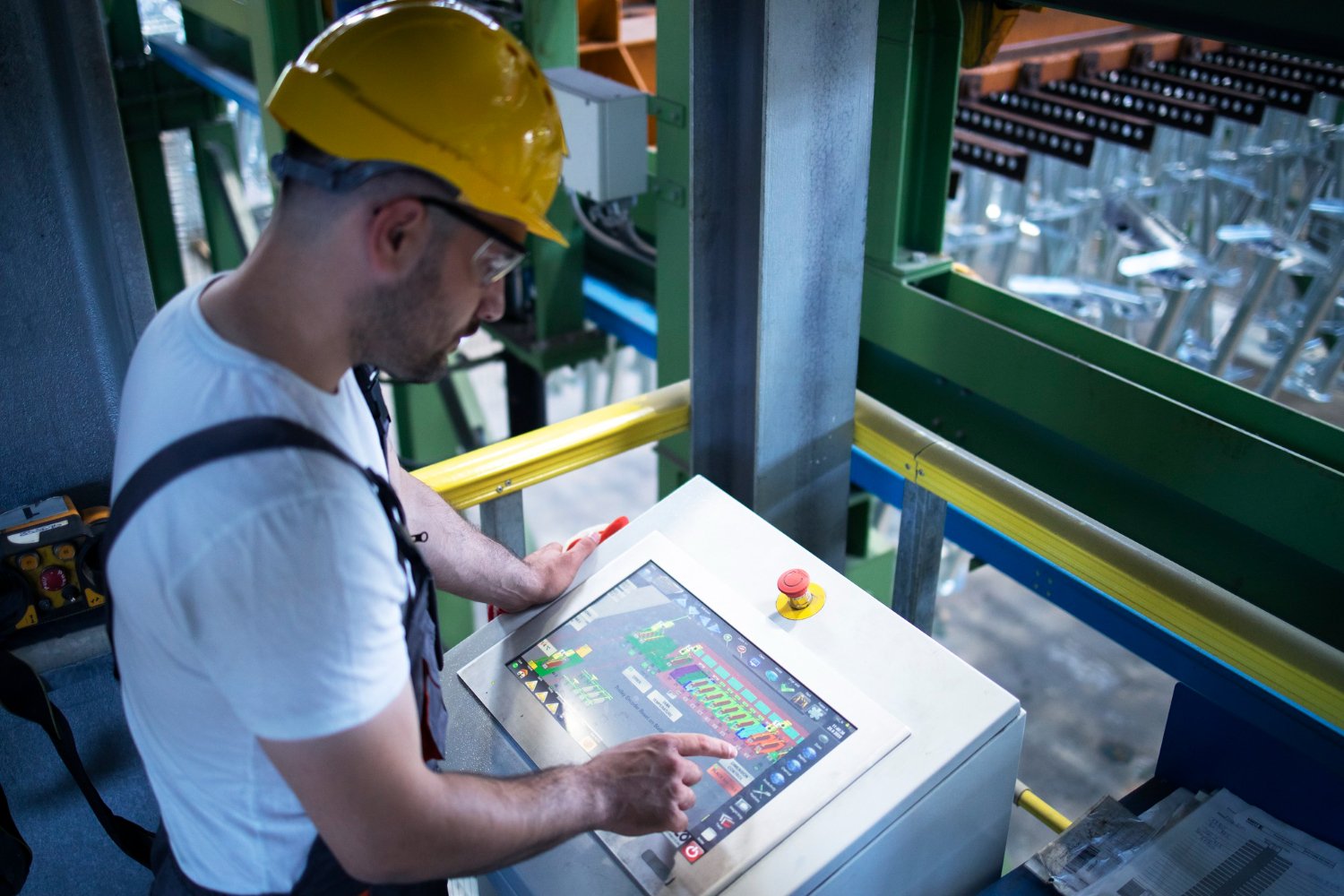
The floor rarely agrees. A machine is down for unplanned maintenance. A raw material shipment is three days late. Two orders need the same line at the same time. None of these realities were in the planning model, so the plan that looked feasible on Monday is being manually rewritten by the supervisor on Wednesday – in a spreadsheet, from memory, under pressure.

The plan was right. The floor had other ideas.

This is the difference between infinite-capacity planning and constraint-aware planning. Traditional MRP explodes the bill of materials and assumes unlimited capacity and perfect material availability. It produces a plan that is arithmetically correct and operationally impossible. The gap between the two is absorbed by the floor – as expediting, overtime, missed commitments, and the quiet erosion of trust in the plan itself.

01

The plan assumes infinite capacity

Traditional MRP explodes the BOM and assumes unlimited machine hours. The plan is arithmetically correct and operationally impossible.

02

Material availability isn't in the model

The plan assumes materials arrive on time. When a shipment slips, the plan doesn't know - the floor finds out when the line stops.

03

Machine status is invisible to planning

A line down for maintenance still shows as available in the planning system. The plan schedules work onto a machine that can't run it.

04

The plan is rewritten on the floor

What planning publishes, the supervisor overrides - in a spreadsheet, from memory. The real plan lives outside the system, untraceable.

05

Trust in the plan erodes

When the published plan is wrong every week, the floor stops following it. Planning and execution drift into two separate realities.

A plan the floor has to rewrite was never a plan. It was a suggestion.

The Oritiq constraint-aware planning engine

Real Constraints, Inside the Model. A Plan the Floor Doesn't Have to Rewrite.

Oritiq's supply planning software is built on the constraints the floor actually lives with - finite capacity, real machine status, and live material availability. The plan it publishes is feasible before it leaves the system, so execution follows the plan instead of correcting it.

Capability 1

Finite-capacity planning

Where traditional MRP assumes unlimited capacity, Oritiq plans against the real capacity of each resource - machine hours, line availability, shift patterns, and changeover time. When demand exceeds capacity, the system doesn't quietly produce an impossible plan. It surfaces the constraint and shows what has to give.

The result is a finite-capacity production plan that respects the physical limits of the operation - one the floor recognises as achievable, not aspirational.

Finite-capacity planning
Capability 2

Material-aware planning

A production plan is only as good as the materials behind it. Oritiq embeds live raw material visibility into the planning model - inbound shipment status, current stock, and supplier commitments - so the plan accounts for what will actually be available, not what the BOM assumes.

When a material shortfall threatens a scheduled order, the system flags it while there is still time to act - resequence, expedite, or resource-substitute - instead of discovering the shortage when the line stops.

Material-aware planning
Capability 3

Machine and resource status integration

A machine down for maintenance should never receive scheduled work. Oritiq integrates real machine and resource status into planning - planned maintenance, breakdowns, and availability windows - so the plan schedules only against resources that can actually run.

Planning and the shop floor share one view of what is available. The plan reflects the state of the operation as it is, not as the master data assumes it to be.

Machine and resource status integration
Capability 4

Rapid constrained replanning

Constraints change through the week - a breakdown, a late shipment, a rush order. And customer priorities change just as often: an order gets pulled forward, a key account jumps the queue, a commitment is renegotiated. Oritiq replans against the new reality on demand, not overnight, and shows the impact before the plan is republished: which orders move, which commitments are at risk, what the feasible path forward is.

Because Oritiq soft-pegs inventory to demand rather than hard-allocating it, stock isn't locked to a single order. When priorities shift, the system can reallocate available inventory to where it now matters most - enabling rapid replanning without unpicking a rigid web of fixed allocations.

Rapid constrained replanning
Key Features

What the Supply Planning Software Does. Specifically.

01

Finite-capacity resource planning

Plan against real machine hours, line availability, shift patterns, and changeover time. Capacity conflicts are surfaced, not silently absorbed into an impossible plan.

02

Live material availability integration

Inbound shipment status, current stock, and supplier commitments feed the plan directly. Material shortfalls are flagged while there's still time to act.

03

Machine and maintenance status feed

Planned maintenance, breakdowns, and availability windows are visible to planning. Work is only scheduled onto resources that can actually run it.

04

Constraint-based sequencing

Orders are sequenced against real bottlenecks and dependencies - not just due dates - so the published sequence is one the floor can execute in order.

05

Soft-pegged inventory & rapid replanning

Inventory is soft-pegged to demand, not hard-allocated - so when customer priorities shift, stock can be reallocated to where it matters most. Replan on demand and preview the impact before republishing.

A plan feasible before it's published - so the floor executes it instead of rewriting it.

Frequently Asked Questions

What Buyers Ask Before They Evaluate.

Discuss your supply chain priorities
Evaluate fit against your operations
See the platform applied to your data
Talk to Sales Team →
Traditional MRP explodes the bill of materials and assumes infinite capacity and perfect material availability. It produces a plan that is arithmetically correct but often operationally impossible - because it doesn't know that a machine is down, a shipment is late, or two orders need the same line. Oritiq's supply planning software plans against real, finite capacity and live material and machine status. The plan it publishes is feasible before it leaves the system, so the floor executes it rather than rewriting it. The ERP's MRP tells you what you need. Oritiq tells you what you can actually make, and when.
Infinite capacity planning assumes every resource can absorb whatever work is assigned to it - it schedules against demand without checking whether the capacity exists. Finite capacity planning schedules against the real limits of each resource: available machine hours, shift patterns, changeover time. Most ERP planning is infinite-capacity by default, which is why the plan looks balanced in the system and overloads the floor in practice. Oritiq plans finite-capacity by design, so capacity conflicts are surfaced and resolved before the plan is published.
Oritiq embeds live material visibility into the planning model - inbound shipment status, current stock positions, and supplier commitments. Rather than assuming materials will be available when the BOM says they're needed, the plan accounts for what will actually be on hand. When a material shortfall threatens a scheduled order, the system flags it early enough to act - resequence, expedite, or substitute - instead of the shortage surfacing when the line stops.
Constraints change constantly - a breakdown, a late delivery, a rush order. Oritiq replans against the new reality on demand rather than waiting for an overnight batch run, and previews the impact before the plan is republished: which orders move, which commitments are at risk, and what the feasible path forward is. This keeps the plan live and executable as conditions change, so the operation adjusts inside the system with full visibility rather than on the floor in a spreadsheet.
Yes. Constraint-aware supply planning sits between demand and execution in Oritiq's platform. It takes the reconciled demand and consensus plan as input, produces a feasible constrained plan, and hands that plan directly to production and procurement execution. Because the plan is feasible before it's published, the handoff carries no translation loss - the plan the operation receives is one it can actually run, end to end.

The Plan You Publish Should Be One the Floor Can Hold.

Oritiq's supply planning software embeds real capacity, material, and machine constraints into the planning model - so the plan is feasible before it's published, and the floor executes it instead of rewriting it.

Talk to Sales Team